
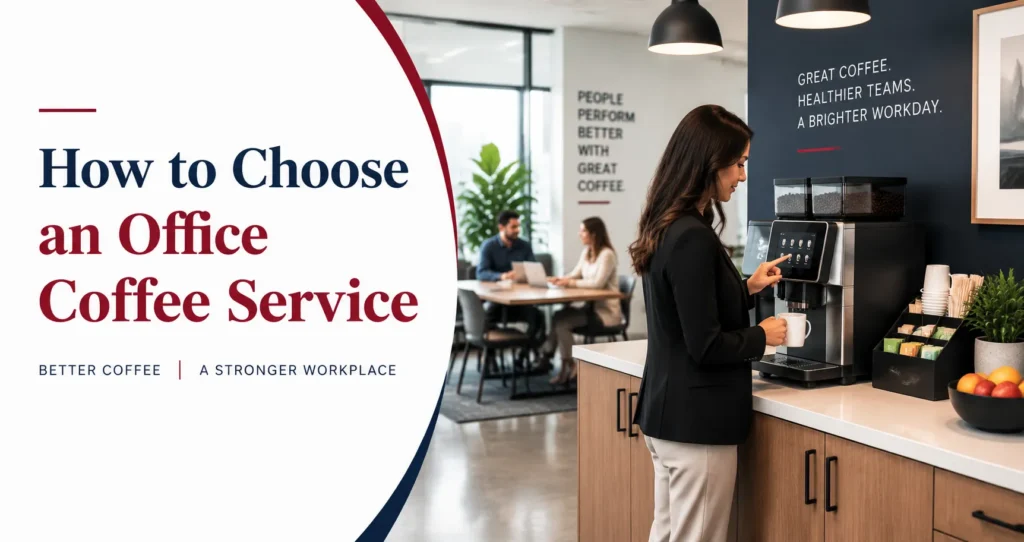
Coffee has become a regular part of the modern workplace experience. Employees may grab a cup before starting the day, prepare a drink between meetings, or rely on the break room during scheduled shifts. While providing coffee seems simple, managing a workplace coffee station internally requires ongoing attention.
Someone has to purchase products, monitor inventory, maintain equipment, replace supplies, organize the beverage area, and solve problems when a brewer stops working. For many businesses, these responsibilities become difficult to manage as employee numbers increase or workplace schedules become more complex.
A professional commercial coffee service helps businesses create a reliable workplace beverage program by combining equipment, products, delivery, and support into one organized solution. Instead of managing every detail internally, companies can work with a provider that understands workplace demand and recommends a setup based on employee count, usage patterns, available space, and beverage preferences.
The right coffee program is not the same for every organization. A small office may need a simple single-cup solution, while a manufacturing facility or warehouse may require equipment that supports multiple shifts and higher daily demand. Customer-facing businesses may prioritize presentation, while employee-focused workplaces may focus on convenience and availability.
Businesses considering a complete beverage program can also review our office coffee and water service guide to understand how coffee equipment, water solutions, supplies, and ongoing support work together.
Choosing the right provider requires looking beyond the coffee itself. Equipment options, service reliability, product selection, delivery schedules, and maintenance support all influence whether a workplace coffee program succeeds.
What Is Commercial Coffee Service?
A commercial coffee service is a workplace beverage program designed to provide coffee equipment, products, supplies, and ongoing support for businesses and organizations.
Unlike a basic office coffee setup where employees purchase and manage everything themselves, a professional service program helps coordinate the entire process. The provider can assist with selecting suitable equipment, delivering products, maintaining supplies, and adjusting the program as workplace needs change.
A typical workplace coffee service may include:
- Coffee brewing equipment
- Single-cup systems
- Traditional batch brewers
- Bean-to-cup machines
- Ground coffee or whole beans
- Decaffeinated coffee options
- Tea and hot chocolate
- Creamers and sweeteners
- Cups, lids, and stirrers
- Filters and related supplies
- Equipment maintenance
- Product delivery and restocking
The goal is to create a beverage station that employees can use easily while reducing the daily management burden on office administrators or facility teams. A strong provider does not simply install equipment and leave. The service should include ongoing support that keeps products available, equipment functioning properly, and the workplace experience consistent.
Why Businesses Choose Office Coffee Service
Many companies begin with a small coffee station because it appears easy to manage. Over time, however, internal coffee management can become another operational responsibility.
Employees or office managers may find themselves responsible for:
- Comparing coffee products
- Ordering supplies
- Tracking inventory levels
- Storing products
- Cleaning equipment
- Replacing missing items
- Handling equipment problems
A professional coffee service allows companies to shift those responsibilities to a provider while maintaining a dependable beverage option for employees and visitors.
Reduce Internal Management Tasks
One of the biggest advantages of managed service is convenience. Instead of relying on employees to monitor coffee supplies, the provider manages many routine tasks.
This may include:
- Scheduled deliveries
- Supply monitoring
- Equipment support
- Product recommendations
- Filter replacement
- Service adjustments
The workplace can focus on its core operations while still offering employees a reliable coffee program.
Improve Employee Convenience
Coffee availability can make the break room more useful throughout the workday. Employees do not need to leave the building when they want a beverage, which can be especially valuable for locations with limited nearby food or drink options.
This can benefit:
- Office employees with short breaks
- Warehouse teams working scheduled shifts
- Manufacturing employees who cannot easily leave the facility
- Healthcare teams working extended hours
- Customer-facing businesses hosting visitors
A convenient beverage station supports a more functional workplace environment.
Create a More Consistent Workplace Experience
A workplace coffee program should provide the same dependable experience every day. Employees should not have to wonder whether coffee, cups, or supplies will be available.
A professional provider can help maintain consistency through:
- Planned delivery schedules
- Equipment maintenance
- Product adjustments
- Supply tracking
This is especially important for businesses with multiple departments or employees working different schedules.
How Office Coffee Service Works
The process of setting up a workplace coffee program usually begins with understanding how the workplace operates.
A provider should evaluate factors such as:
- Number of employees
- Daily coffee consumption
- Number of shifts
- Available break room space
- Electrical requirements
- Water access
- Employee preferences
- Visitor traffic
- Storage availability
This information helps determine the right equipment, products, and service schedule.
Step 1: Workplace Assessment
The first step is understanding the actual needs of the business.
A provider may review:
Employee Count
The number of employees helps estimate beverage demand, but it is not the only factor to consider. A smaller office with frequent meetings or visitors may use more coffee than a larger workplace with fewer people onsite.
Operating Schedule
Businesses with multiple shifts need a program that supports employees throughout the entire day. Morning employees, evening teams, and overnight workers may all have different usage patterns.
Break Room Setup
Available space affects equipment selection. Some workplaces have large break rooms with room for multiple beverage stations, while others require compact solutions.
Beverage Preferences
Some teams prefer traditional coffee, while others may want:
- Single-cup choices
- Specialty drinks
- Tea options
- Hot chocolate
- Decaf selections
A provider should build the program around actual workplace demand.
Step 2: Selecting Equipment
Equipment selection is one of the most important parts of creating a successful coffee program.
Different workplaces may benefit from different systems.
Single-Cup Brewers
Single-cup systems allow employees to prepare individual beverages with multiple flavor choices. They are often useful for smaller workplaces or locations where employees have different preferences.
Traditional Brewers
Traditional batch brewers can prepare larger amounts of coffee quickly, making them suitable for offices, meetings, and workplaces with predictable coffee demand.
Bean-to-Cup Machines
Bean-to-cup equipment creates a more premium experience by grinding coffee beans and preparing beverages individually. These systems may work well for businesses that want a cafe-style workplace beverage option.
Businesses comparing equipment choices can review our guide on office coffee machines to understand how different systems suit workplace environments.
How to Evaluate an Office Coffee Service Provider
Selecting a provider is not only about finding someone who can supply coffee. A successful workplace program depends on reliability, communication, equipment support, and the ability to adjust as workplace needs change.
Businesses should evaluate providers based on the overall service experience rather than focusing only on product pricing.
Important factors include:
- Equipment quality
- Product availability
- Service response times
- Delivery schedules
- Maintenance support
- Program flexibility
- Workplace experience
A provider that understands these areas can help create a coffee solution that remains useful long after installation.
Review Equipment Recommendations
A good provider should not recommend the same coffee setup for every workplace. Equipment should match employee demand, available space, and the type of experience the business wants to create.
For example:
- A small office may need a compact brewing system.
- A busy office may require faster beverage preparation.
- A warehouse may need equipment that supports multiple shifts.
- A premium workplace may prefer specialty coffee equipment.
Before choosing a provider, ask:
- What equipment options are available?
- Does the provider help determine the right machine?
- Can equipment be upgraded later?
- Is installation included?
- Who handles repairs?
The right equipment should make coffee service easier, not create additional management work.
Consider Product Variety and Quality
Equipment is only one part of workplace coffee service. The products available through the program also affect employee satisfaction.
A strong office coffee solution should consider different preferences and workplace habits.
Common options may include:
- Regular coffee
- Dark and medium roasts
- Decaffeinated coffee
- Tea selections
- Hot chocolate
- Specialty beverages
- Creamers
- Sweeteners
- Disposable supplies
Businesses should avoid choosing products only based on personal preference. Employee usage patterns provide a better indication of what belongs in the break room.
A workplace with many early morning employees may need more coffee available, while a customer-facing office may benefit from a wider beverage selection for guests.
Understand Delivery and Restocking Support
A reliable delivery schedule is one of the most important parts of a workplace coffee program. Even the best equipment will not provide a good employee experience if supplies are regularly unavailable.
Before selecting a provider, businesses should understand:
- How frequently deliveries occur
- How inventory levels are monitored
- Whether service schedules can change
- How supply shortages are handled
- Who manages product recommendations
A professional provider should help prevent common problems such as:
- Running out of coffee
- Missing supplies
- Expired products
- Overstocking unused items
The right service frequency depends on workplace size, employee usage, and operating schedule. A small office may need occasional deliveries, while larger workplaces may require more frequent support.
Ask About Maintenance and Technical Support
Coffee equipment requires regular care to perform properly. A workplace coffee program should include clear expectations about:
- Equipment cleaning
- Repairs
- Filter changes
- Replacement parts
- Service response times
When equipment problems happen, employees should not be left without a working beverage station for extended periods.
Before signing a service agreement, ask:
- Who handles equipment issues?
- How quickly are repairs completed?
- Is maintenance included?
- Are replacement machines available if needed?
Reliable support is one of the biggest differences between simply purchasing coffee supplies and working with a professional provider.
Compare Managed Coffee Service With Self-Managed Supplies
Some businesses choose to purchase coffee products independently and manage their own workplace station. Others prefer a professional service that handles equipment, supplies, and ongoing support.
Both approaches can work depending on the workplace, but the responsibilities are different.
Managing coffee internally may require employees to handle:
- Ordering products
- Comparing suppliers
- Tracking inventory
- Maintaining equipment
- Storing supplies
- Solving service issues
A managed program reduces these responsibilities by providing ongoing support.
Businesses comparing both approaches can review our guide on office coffee service vs buying coffee supplies to understand how these options differ in cost, convenience, and daily management.
Choosing Coffee Service for Different Workplaces
A successful coffee program should fit how the workplace operates. The right setup for a corporate office may not be the right setup for a warehouse or healthcare facility.
Office Coffee Service for Corporate Offices
Corporate offices often use coffee stations throughout the day for:
- Employee breaks
- Meetings
- Client visits
- Conference rooms
- Team gatherings
These workplaces may benefit from:
- Multiple beverage options
- Professional-looking equipment
- Easy supply management
- Reliable service schedules
A workplace coffee station can become part of the overall office environment by creating a convenient area where employees can take breaks and interact.
Coffee Service for Warehouses and Manufacturing Facilities
Industrial workplaces often have unique requirements because employees may work longer shifts or work outside traditional business hours.
A suitable coffee program may need:
- Durable equipment
- Higher product availability
- Support for multiple shifts
- Convenient placement
- Reliable restocking
Employees working early mornings, evenings, or overnight schedules should still have access to consistent beverage options.
Coffee Programs for Healthcare Facilities
Healthcare environments often require dependable refreshment options for employees working demanding schedules.
Important considerations may include:
- Easy equipment cleaning
- Reliable availability
- Simple operation
- Convenient placement
Doctors, nurses, administrators, and support teams may rely on workplace coffee stations during long shifts, making consistency especially important.
Coffee Service for Customer-Facing Businesses
Businesses that welcome customers or visitors may use coffee service as part of their overall workplace experience.
Examples include:
- Dealerships
- Professional offices
- Waiting areas
- Service businesses
In these environments, presentation matters. A clean and organized beverage station can create a positive impression while also serving employees.
Common Mistakes When Choosing an Office Coffee Provider
Choosing a provider based only on price is one of the most common mistakes businesses make. The lowest-cost option may not provide the equipment quality, service reliability, or support needed for a successful program.
Choosing Equipment Without Considering Usage
A machine should match the workplace.
Problems can occur when:
- Equipment is too slow for employee demand
- Products do not match preferences
- Machines are difficult to maintain
- Capacity does not support busy periods
Businesses should evaluate how employees actually use the coffee station before making decisions.
Ignoring Service Quality
Coffee products matter, but service quality often determines long-term satisfaction.
A provider should offer:
- Clear communication
- Reliable deliveries
- Responsive support
- Equipment assistance
A workplace coffee program requires ongoing management, not just an initial installation.
Providing Too Many Options
More products do not always create a better experience.
Too many choices can lead to:
- Unused inventory
- Higher waste
- Storage problems
- Confusing selections
A better approach is to begin with practical choices and adjust based on employee demand.
Not Planning for Future Growth
Businesses change over time. Employee numbers may increase, work schedules may change, and beverage preferences may evolve. A flexible coffee service should allow adjustments when workplace needs change.
Understanding Office Coffee Service Costs
The cost of an office coffee program depends on several factors. There is no single price that applies to every workplace because businesses have different employee counts, equipment needs, product preferences, and service requirements.
Factors that influence cost may include:
- Type of coffee equipment
- Number of employees using the program
- Coffee and beverage selection
- Delivery frequency
- Maintenance requirements
- Additional supplies
- Custom service needs
A smaller office with limited daily usage may require a simple setup, while a larger organization may need multiple machines, more inventory, and more frequent support.
When evaluating providers, businesses should look beyond the initial cost and consider the overall value of the program. A reliable workplace coffee solution can reduce internal management time, improve employee convenience, and provide consistent beverage availability.
What Should Be Included in an Office Coffee Service Agreement?
Before choosing a provider, businesses should understand exactly what is included in the service program.
A complete agreement may include:
Equipment Installation
The provider should explain:
- Which equipment is included
- Installation requirements
- Placement recommendations
- Setup timeline
Product Supply
Businesses should understand:
- Which coffee products are included
- Whether beverage variety can be adjusted
- How supplies are delivered
- Whether additional items are available
Maintenance Support
A strong agreement should clarify:
- Repair responsibilities
- Service response times
- Equipment cleaning expectations
- Replacement procedures
Service Schedule
Companies should know:
- How often deliveries occur
- How inventory is monitored
- How adjustments are requested
Clear expectations help prevent confusion and ensure the coffee program operates smoothly.
How to Measure the Success of a Workplace Coffee Program
After installation, businesses should evaluate whether the program is meeting employee needs.
Useful indicators include:
Employee Usage
Businesses can monitor:
- Which beverages are most popular
- How often products are used
- Whether employees are satisfied with available options
Usage patterns can help providers recommend adjustments over time.
Supply Efficiency
A successful program should balance availability with practical inventory management.
Businesses should avoid situations where:
- Popular products run out frequently
- Unused products accumulate
- Supplies are stored unnecessarily
Regular reviews help maintain the right product mix.
Employee Feedback
Employee feedback can provide useful insight into:
- Preferred beverages
- Equipment convenience
- Product availability
- Break room experience
However, feedback should be combined with actual usage patterns. Employees may request products that they rarely use, while other items may become popular unexpectedly.
Building a Better Workplace Beverage Experience
Coffee service is not only about providing beverages. A well-planned beverage program can become part of the overall workplace environment.
Businesses can improve the experience by focusing on:
Convenient Placement
Coffee equipment should be placed where employees can easily access it without disrupting workplace movement.
Consider:
- Break room traffic
- Employee schedules
- Meeting areas
- Visitor spaces
Clean and Organized Stations
A workplace coffee area should remain easy to use.
Important factors include:
- Organized supplies
- Regular cleaning
- Clear product placement
- Adequate space
A well-maintained station encourages employees to use the program regularly.
Matching the Program to Employee Needs
Different workplaces have different expectations.
Some teams may prefer:
- Traditional coffee
- Stronger roast options
- Specialty beverages
- Tea selections
- Single-cup variety
The best workplace coffee solutions are flexible enough to adjust as preferences change.
Why a Professional Coffee Partner Matters
A workplace coffee program works best when the provider acts as a long-term partner rather than simply a supplier.
A reliable partner helps businesses:
- Choose appropriate equipment
- Maintain product availability
- Adjust service levels
- Improve employee experience
- Manage changing workplace needs
This approach allows businesses to focus on their operations while still providing a valuable workplace benefit.
Choosing Between Different Coffee Service Providers
When comparing providers, businesses should create a checklist based on their priorities.
Important questions include:
Does the Provider Understand Your Workplace?
A good provider should ask about:
- Employee numbers
- Work schedules
- Break room setup
- Beverage preferences
A customized recommendation is usually better than a standard package.
Does the Provider Offer Flexible Solutions?
Workplaces change over time. A provider should be able to adjust:
- Equipment
- Products
- Delivery frequency
- Service plans
Flexibility becomes especially important for growing companies.
Does the Provider Provide Ongoing Support?
Installation is only the beginning of the service relationship. Businesses should consider whether the provider offers:
- Maintenance assistance
- Regular communication
- Product updates
- Service adjustments
Selecting the Right Office Coffee Service
Choosing an office coffee service provider involves more than selecting coffee products. Businesses should consider equipment, service reliability, product options, workplace requirements, and long-term support. The right provider helps create a dependable beverage program that employees can use every day without adding unnecessary responsibilities for internal teams.
Whether a company needs a simple coffee station or a complete workplace beverage solution, the best approach is to select a service that matches employee demand and can grow with the organization. A well-managed coffee program can improve convenience, support workplace culture, and create a more welcoming environment for employees and visitors.
Frequently Asked Questions
The best office coffee service depends on employee count, workplace size, beverage preferences, equipment needs, and desired level of support. A provider should recommend a solution based on actual workplace requirements rather than a standard package.
Businesses should compare equipment options, product availability, maintenance support, delivery schedules, and service flexibility before choosing a provider.
Managed coffee service can be valuable for businesses that want to reduce internal supply management, improve consistency, and provide employees with reliable beverage access.
Common options include single-cup brewers, traditional coffee machines, bean-to-cup systems, and other workplace beverage equipment designed for different usage levels.
Yes. Small businesses can use customized coffee solutions based on employee count, available space, and daily beverage demand.
Delivery frequency depends on workplace size, product usage, storage capacity, and service requirements. Some locations may need frequent restocking, while smaller offices may require less frequent deliveries.
A good workplace coffee solution combines reliable equipment, quality products, consistent service, and a setup that matches employee needs.
Many workplace programs can include options beyond coffee, such as tea, hot chocolate, creamers, sweeteners, and other break room beverage supplies.