
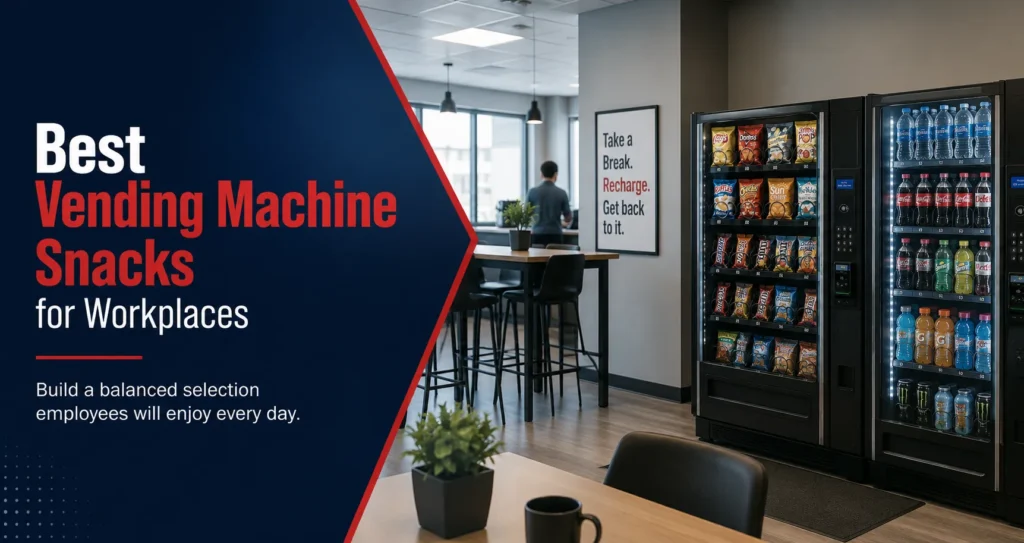
The best vending machine snacks are not the same for every workplace. Office employees may prefer lighter items they can eat between meetings, while warehouse teams may look for more filling choices during scheduled breaks. Schools may need packaged products that fit district guidelines, student age groups, and the way vending access is managed on campus.
A useful vending selection should combine familiar products with enough variety to serve different tastes and eating habits. Sweet snacks, salty products, protein-focused options, breakfast items, and better-for-you choices can all have a place when the assortment is balanced. The selection should then change over time based on actual purchases rather than assumptions about what people might want.
Businesses should also consider machine capacity, employee count, work shifts, and service frequency. A strong product mix will still disappoint employees if popular items repeatedly sell out or if later shifts receive only the products that remain after daytime use.
What Are the Best Vending Machine Snacks?
The best vending machine snacks are products that fit the needs of the people using the machine, remain suitable for the equipment, and sell consistently enough to justify their space. There is no single list that works for every office, warehouse, school, or public facility. Product demand is influenced by employee schedules, physical work demands, local food access, price preferences, and the time of day the machine receives the most traffic.
A balanced assortment usually includes a combination of salty snacks, sweet products, protein-focused choices, breakfast items, and clearly labeled alternatives. Popular brands can provide familiarity, while rotating products can keep the selection from becoming repetitive. Package size also matters because employees may want a quick snack during a short break rather than a large product that is difficult to finish or store.
The first assortment should be treated as a starting point. Sales information, employee requests, and route-service observations can show which products deserve more machine space and which should be replaced.
Popular Categories of Snacks for Vending Machines
A workplace machine should not be filled with several versions of one product type. Variety gives employees more control over what they purchase and allows the equipment to serve different break periods throughout the day.
Common snack categories include:
- Chips, pretzels, crackers, and popcorn
- Cookies, candy, chocolate, and pastries
- Nuts, trail mix, protein bars, and jerky
- Granola bars, breakfast bars, and cereal products
- Baked snacks, whole-grain products, and portion-controlled packages
- Refrigerated items when the equipment and service plan support them
Each category serves a different purpose. A small pastry may be useful during an early shift, while nuts or a protein bar may appeal to someone looking for something more substantial. Traditional candy and chips can remain part of the mix without taking over the entire machine.
Snack Choices for Professional Offices
Office employees often use vending equipment between meetings, during afternoon breaks, or when they do not have time to leave the building. Products that are easy to open, relatively clean to eat, and simple to store tend to work well in professional environments.
A useful office assortment may include crackers, granola bars, nuts, popcorn, cookies, chocolate, chips, protein bars, and breakfast products. Smaller package sizes can be practical because employees may be eating at a desk or saving part of the product for later. Products with strong odors or packaging that creates a mess may receive less use in shared office areas.
Coffee pairings can also influence demand. Pastries, breakfast bars, cookies, and selected sweet snacks may sell well near a coffee station, while cold drinks may increase demand for salty products. Workplaces planning the beverage side of the machine can also review our guide to vending machine drinks for water, soft drinks, tea, sports drinks, energy drinks, and other cold options.
Businesses planning a coordinated food and beverage area can review our office vending machine guide for information about equipment, payment options, placement, and ongoing service.
Hybrid attendance should also be considered. An office with changing daily headcount may need smaller quantities or more shelf-stable products than a workplace with consistent attendance five days a week.
Vending Machine Snacks for Warehouses and Multi-Shift Teams
Warehouse and manufacturing employees may need snacks that fit physically demanding work and longer operating hours. A machine stocked mainly with small sweets may not provide enough variety for employees taking a scheduled break during long eight-, ten-, or twelve-hour shifts.
Protein bars, trail mix, nuts, jerky, crackers, breakfast products, and larger packaged snacks may receive stronger demand in industrial settings. Traditional chips, candy, and cookies can still be included, but the overall selection should give employees options beyond quick sweets.
Shift timing affects the product mix as well. Early-morning employees may look for breakfast bars, pastries, or ready-to-eat products, while evening and overnight teams may prefer more filling snacks. Purchase patterns should be reviewed by time of day so daytime demand does not hide the needs of later shifts.
Capacity is particularly important in warehouses. When an entire department takes a break at once, several popular selections may sell out quickly. Larger machines, additional product rows, or more than one refreshment location may be needed to reduce lines and keep products available.
Choosing Snacks for School Vending Machines
School vending requires a more careful selection process than general workplace vending. Student age groups, building access, operating hours, district requirements, and school nutrition policies can all influence which products are appropriate. Product decisions should be coordinated with school administrators rather than based only on general popularity.
Individually packaged snacks with visible ingredients and nutrition information can make selection and review easier. Depending on school requirements, the assortment may include baked snacks, granola products, crackers, popcorn, nuts where permitted, breakfast bars, and portion-controlled sweet or salty items.
Machine placement and access schedules also matter. A machine used by staff may have a different selection from equipment available to students. Schools should clearly define who can use each machine, when purchases are allowed, and which products meet local guidelines.
Best Vending’s snack vending service can be planned around the facility’s user groups, product requirements, available space, and service schedule rather than applying the same assortment to every location.
How to Build a Balanced Product Mix
A balanced machine provides both familiar favorites and products for employees seeking different ingredients, portion sizes, or nutritional profiles. It should not be designed around one person’s idea of what everyone should eat. Employees are more likely to use the service when they can make their own choices.
A practical mix may reserve space for several different needs:
- Familiar salty and sweet favorites
- Protein-focused and more filling products
- Breakfast and early-shift choices
- Clearly labeled better-for-you options
- Rotating or seasonal products
This structure provides variety without turning the machine into an oversized catalog. Machine space is limited, so every product should have a purpose and enough demand to support regular restocking.
A balanced mix also avoids making “healthy” and “traditional” products seem mutually exclusive. Nuts, bars, crackers, chips, cookies, and candy can coexist when quantities reflect actual workplace demand.
What Makes a Snack Suitable for Vending?
Not every packaged product performs well inside vending equipment. The package must fit the machine’s coils, trays, or delivery system and should dispense without becoming stuck or damaged. Products that crush easily may need different equipment settings or may not be suitable for certain machines.
Shelf stability is another important factor. Packaged snacks are generally easier to manage than fresh products because they allow longer service intervals and simpler date rotation. Refrigerated items require temperature-controlled equipment, closer monitoring, and a service schedule that protects food quality.
Pricing and package size also affect performance. Employees may avoid a product that feels too expensive for its portion, even when the item is popular in retail stores. A provider should compare product size, wholesale availability, machine compatibility, and expected workplace demand before adding a new selection.
Should Healthy Snacks Be Included in Vending Machines?
Healthy snacks for vending machines can broaden employee choice, but the term “healthy” can mean different things to different people. Some employees look for lower-sugar products, while others prioritize protein, portion size, whole grains, or recognizable ingredients.
The machine may include nuts, trail mix, granola products, baked snacks, protein bars, popcorn, crackers, or selected dried fruit. Labels should remain visible so employees can review ingredients and nutrition information for themselves. The provider should avoid making unsupported medical or health claims about individual products.
Better-for-you products should be reviewed like every other category. Products that sell well can receive more space, while items with low demand may need to be replaced with another option. Best Vending’s healthy refreshment options can support workplaces that want a broader range of clearly labeled choices without removing familiar favorites.
How Many Snack Choices Does a Workplace Need?
The right number of selections depends on machine size, daily traffic, employee count, and how often the equipment is serviced. A small workplace may prefer a carefully selected combination machine, while a large office or industrial facility may need separate snack and beverage equipment.
More selections do not automatically create a better program. Filling a machine with low-demand products can lead to stale inventory, repeated expiration concerns, and wasted machine space. It is usually better to begin with a strong core assortment and expand or rotate products as demand becomes clearer.
Large facilities may also need more than one location. Employees are less likely to use a machine if reaching it consumes most of a short break. Placing equipment near major work areas can improve convenience and distribute traffic.
How Should Product Demand Be Measured?
Employee surveys can help identify initial preferences, but purchasing behavior provides a more reliable picture after the machine is installed. Employees may request a product and rarely buy it, while another item may sell out even though it was not mentioned during planning.
Cashless payment records and compatible machine technology can show which selections sell, when purchases occur, and which products regularly run low. Route drivers can add useful context by identifying damaged packages, slow-moving items, and products that may need more machine space. When recurring shortages appear, the workplace should also review vending machine restocking frequency so visit timing and product quantities better match actual demand.
Product performance should be reviewed over several service cycles. One unusually busy week should not automatically determine the permanent assortment. Seasonal changes, employee growth, shift adjustments, and workplace events can temporarily affect demand.
When Should Vending Snacks Be Rotated?
Core best-selling products can remain available when demand is consistent, but part of the machine should be flexible. Rotating selected products gives employees new choices and allows the provider to test emerging demand without replacing the entire assortment.
Seasonal patterns may affect product performance. Chocolate can require additional care in warm environments, breakfast products may sell more during schedule changes, and lighter items may become more popular during certain times of year. Facility conditions and employee preferences should guide these changes.
Products should also be replaced when they repeatedly remain unsold. Keeping an unpopular selection in the same row for months reduces variety and may lead employees to stop checking the machine for new options.
Common Snack Vending Mistakes
One common mistake is choosing products only from an employee request list. Requests are useful, but they should be combined with machine compatibility, supplier availability, price, expiration dates, and actual purchase data.
Another problem is giving every employee group the same assortment. An office, warehouse, and school may all use vending equipment, but their schedules and product needs are different. Even departments inside one large facility may show different buying patterns.
Businesses can also run into problems when they judge the program immediately after installation. It takes time to identify reliable best sellers, shift-specific demand, and products that need replacement. A provider should make gradual adjustments based on evidence rather than changing the entire machine after one complaint.
Vending Machine Snacks for St. Charles County Workplaces
Businesses and organizations across St. Charles, St. Peters, O’Fallon, Wentzville, Chesterfield, Maryland Heights, Earth City, and nearby Missouri communities have different refreshment needs. An office may want compact snacks that work between meetings, while a warehouse may need more filling products for several shifts.
Schools and public facilities may have additional access or product requirements. A local vending program should account for the people using the equipment, the length of their breaks, nearby food options, and the time of day when demand is highest.
Local service also makes it easier to monitor product performance and adjust the assortment. The strongest vending selection is not installed once and forgotten. It develops as the provider learns what the workplace actually purchases.
Build the Selection Around Real Workplace Demand
The best vending machine snacks combine familiarity, variety, equipment compatibility, and reliable availability. A workplace does not need every possible product, but employees should be able to choose among several snack types, portion sizes, and nutritional profiles.
Offices, warehouses, and schools should not receive identical assortments. Work schedules, age groups, physical activity, policies, and employee traffic all affect what belongs in the machine. Product decisions should also remain flexible as the program develops.
A managed vending provider can use purchase information, employee feedback, and service observations to improve the selection over time. This approach helps popular products remain available while slow-moving items are replaced with choices that better serve the location.
Frequently Asked Questions
Popular products often include chips, crackers, candy, cookies, pastries, granola bars, nuts, and protein-focused snacks. The strongest sellers vary by workplace type, employee schedule, price, and local preferences.
Office machines may include crackers, popcorn, nuts, granola bars, protein bars, cookies, chocolate, chips, and breakfast products. Compact packages that are easy to eat between meetings often work well.
Warehouses may benefit from more filling choices such as protein bars, nuts, trail mix, jerky, crackers, breakfast products, and larger packaged snacks. The selection should also account for second- and third-shift demand.
Yes, but product selection, machine access, and operating hours should follow applicable school and district requirements. Staff-only machines may also use a different assortment from equipment available to students.
Providing better-for-you choices can make the assortment more inclusive. Nuts, popcorn, protein bars, baked snacks, granola products, and clearly labeled portion-controlled items may be included alongside traditional favorites.
Core products can remain when they sell consistently, while selected rows may be rotated periodically. Slow-moving products, seasonal demand, employee requests, and supplier availability can guide changes.
A provider may consider workplace type, employee count, shift schedules, machine capacity, expected demand, and product availability. Purchase data and employee feedback can then guide ongoing adjustments.
Yes, when suitable refrigerated equipment and regular service are available. Sandwiches, wraps, yogurt, breakfast products, and other fresh items require closer date rotation and temperature monitoring.